
Barcode Scanning
Scan barcodes for inventory transactions across DataNinja integrations
Español: Lee esta página en español.
Français : Consultez cette page en français.
This page applies to DataNinja tenants integrated with NetSuite or QuickBooks Online, and to tenants with no finance system integration. The workflow in DataNinja is the same across integrations; where a financial system changes behavior, the integration-specific note calls it out.
Items that are synced with an integration will show the relevant integration's logo. Screenshots on this page may show the NetSuite logo, but tenants integrated with QuickBooks Online will see that logo instead. Tenants with no financial integration won't see any logo.
A barcode scanner works like a keyboard. Instead of typing each character by hand, the scanner reads the barcode and enters the encoded value into the active field in DataNinja. This helps operators move faster while reducing manual entry errors during receiving, production, transfers, adjustments, and shipping.
Why Use Barcode Scanning
Barcode scanning is most useful anywhere your team needs to identify inventory, locations, equipment, parts, or transactions quickly. It helps you:
- Reduce typing and transcription errors
- Update inventory records as work happens
- Give operators immediate feedback when a scan is accepted or rejected
- Keep inventory movement, production usage, and shipping activity traceable
- Make mobile workflows easier for shop-floor and warehouse teams
Best PracticePrint and scan labels as close to the physical work as possible. The sooner DataNinja records the transaction, the less your team has to reconcile later.
Where Barcode Scanning Is Used
You can use barcode scanning throughout DataNinja wherever a barcode identifies the item, batch, sublot, location, equipment, or document you are working with.
Common workflows include:
- Receiving inventory
- Inventory adjustments
- Scrapping inventory
- Consuming inventory during manufacturing
- Transferring inventory between locations
- Cycle counting
- Shipping inventory
- Changing inventory release status
- Recording supplier part numbers or UPCs
- Recording equipment serial numbers used in production
- Working with electronic manufacturing records, such as batch records, device history records, and job travelers
Scanner Requirements
DataNinja generates 2D barcodes by default, so use scanners that can read 2D barcodes. The scanner also needs to be compatible with the device you use to access DataNinja, such as a desktop computer, laptop, tablet, or handheld mobile device.
Most scanners behave like keyboard input devices. For the smoothest experience, configure the scanner to send an "Enter" key after each scan. This is usually called a carriage return suffix. With that setting enabled, DataNinja can accept the scan and move the workflow forward without the operator manually pressing Enter.
Scanner SetupIf scans appear in the field but the page does not continue, the scanner may be missing the carriage return suffix. See Scanner Setup for model-specific setup barcodes.
Before You Start Scanning
Before rolling scanners out to a team, test the full workflow with the same device, browser, labels, and scanner model operators will use in production.
Check that:
- The scanner can read DataNinja's printed labels from a normal working distance
- The scanned value appears in the expected DataNinja field
- The scanner submits the scan automatically when expected
- Operators can tell when a scan succeeded or failed
- Printed labels are placed where they can be scanned without moving inventory unnecessarily
For label setup and label contents, see Inventory Barcoding.
Popular Barcode Scanners
Before rolling scanners out to a team, test the full workflow with the same device, browser, labels, and scanner model operators will use in production.
Check that:
- The scanner can read DataNinja's printed labels from a normal working distance
- The scanned value appears in the expected DataNinja field
- The scanner submits the scan automatically when expected
- Operators can tell when a scan succeeded or failed
- Printed labels are placed where they can be scanned without moving inventory unnecessarily
For label setup and label contents, see Inventory Barcoding.
Popular Barcode Scanners
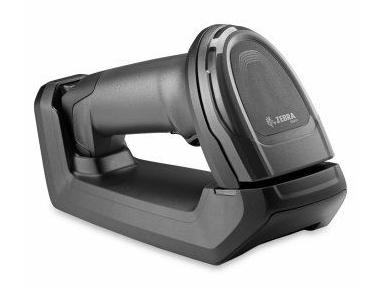
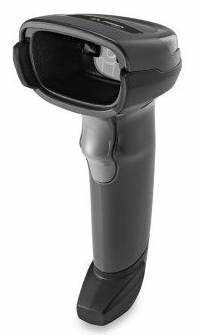
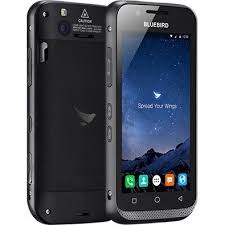
Choosing a ScannerContact your DataNinja representative for recommendations and exact model numbers. The best scanner depends on where you scan, how far the scanner is from the label, and whether your team needs a handheld mobile device or a scanner connected to another workstation.
Updated about 1 month ago